
Lohri Outfit for Women: How to Stay Warm by the Bonfire

For a Lohri outfit, women can wear a Punjabi suit, sharara or saree in a warm fabric such as velvet, wool-blend or heavy silk, with fleece-lined skin-tone stockings and thermal socks under juttis, and a wool shawl over the phulkari dupatta. Keep net, chiffon and synthetic dupattas pinned and away from the flames, and pick footwear you can dance in.
Lohri night in Punjab, Haryana, Delhi and Himachal is mid-January cold, the kind where the bonfire warms your face while your back freezes. You'll be outdoors for hours: circling the fire, tossing til, rewri, peanuts and popcorn into it, singing along to the dhol and dancing giddha and bhangra. The outfit has to look festive in photos, keep you warm, and stay a safe distance from an open fire. A first Lohri after the wedding raises the stakes on all three.
What should women wear for Lohri?
| Outfit | Why it works | Keep warm with |
|---|---|---|
| Punjabi suit or Patiala salwar with a phulkari dupatta | The classic, and easy to dance giddha in | Thermals or fleece-lined stockings under the salwar, and a wool shawl |
| Velvet or wool-blend suit | Warmth built in, and rich colours glow in bonfire photos | A thin thermal top under the kurta |
| Sharara or gharara set | Festive and full of movement | Fleece-lined stockings underneath; gather the flare near the fire |
| Saree | Elegant, especially for a first Lohri | Fleece-lined stockings under the petticoat, and a shawl or long jacket on top |
| Lehenga | Dressy, for a new bride or a big family party | Fleece-lined stockings, and a velvet cape or long jacket |
| Kurti with jeans and a jacket | Easy for a neighbourhood Lohri | Thermal socks with ankle boots or juttis |
Bright colours suit the night: reds, sarson yellows, oranges and hot pinks, with phulkari embroidery doing the rest. Keep heavy jewellery to what you can dance in, and remember that bangles and loose earrings will be near your face and the fire all evening.
How do you stay warm under a suit or saree?
The trick is warmth you can't see, so the outfit still looks light in photos.
- Fleece-lined stockings. Our thermal winter stockings have a soft fleece lining inside and an outer knit that turns a sheer skin tone once stretched on, so legs look bare from a normal distance while feeling like warm leggings. They matter most under a saree, sharara or lehenga, where legs can show when you sit or dance. Up close they look like warm hosiery rather than bare skin.
- The right size. They come in XS to 5XL by waist and hips; a 40 to 42 inch waist with 46 to 49 inch hips is a 3XL. If you're between sizes, choose the larger, because the fleece adds a little thickness. Check the stockings size chart before you order.
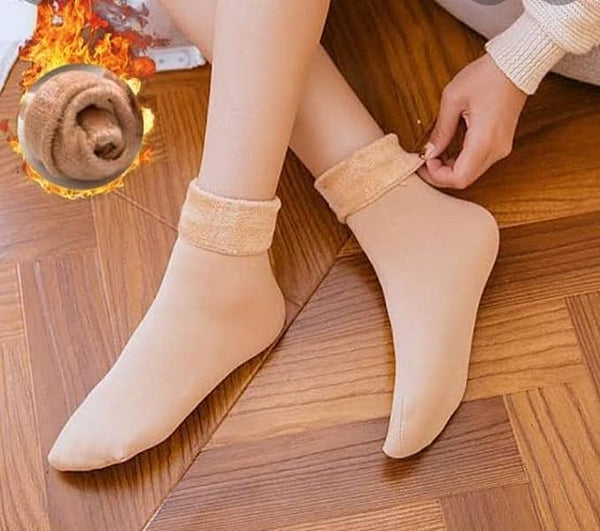
- Warm feet. Fleece-lined thermal skin socks under juttis look like bare skin from a distance. Pair them with the footless version of the stockings for warm legs and feet.
- A thin top layer. A thermal top under a kurta works if the neckline hides it. Under a saree blouse, rely on a shawl or a fitted jacket instead.
- A proper shawl. A wool shawl over the phulkari keeps your back warm while you face the fire.
For more layering ideas from the same part of the country, see our guide to Punjab winter wedding outfits, and for sarees in particular, how to wear a saree in winter without looking bulky.
How do you stay safe near the Lohri bonfire?
Open flames and loose, light fabric are a risky mix, and Lohri brings both together for hours. A few habits keep the evening safe:
- Choose the right fabric for the fireside. Synthetic fabrics such as polyester and nylon can melt if a spark lands on them, and light net, chiffon and georgette dupattas catch easily. A wool shawl is the better choice close to the fire, since wool is slow to catch, though any fabric can burn. Check the label, especially on modern phulkaris, many of which are on georgette or chiffon.
- Pin your dupatta. Use safety pins at the shoulder and waist so no long end trails. With a saree, pin the pallu.
- Gather wide hems. Sharara, lehenga and anarkali flares swing out as you turn. Hold them in when you step forward to toss til into the fire.
- Keep your distance while circling. Walk around the fire a few steps back from the flames, and keep that gap every round rather than edging closer.
- Sit back from the flames. Stockings, socks and fleece linings are usually made from synthetic fibres, so keep your legs and feet well back, and never dry damp socks by the fire.
- Tie long hair and go easy on hairspray, which is flammable.
- Know where the water is. Keep a bucket of water or sand near the fire. If clothing catches fire, don't run: stop, drop to the ground and roll, or smother the flames with a blanket.
What footwear works for dancing on Lohri night?
You'll dance on lawns, terraces and gravel driveways, often damp with evening dew.
- Juttis are the natural choice: flat, traditional and easy for giddha. Add thermal socks underneath, and break new juttis in before the night, since a sock makes them snugger.
- Ankle boots work with a kurti and jeans, and keep feet warmest.
- Skip stilettos on grass and gravel; they sink, and they slip on wet terraces.
- Carry a spare pair of socks. Dew-soaked socks turn cold fast once the fire dies down.
Our guide to wearing skin colour socks with ethnic wear covers which juttis and sandals hide socks best.
How should a new bride dress for her first Lohri?
A first Lohri is a big family occasion, and the new bride is usually the centre of it: heavier outfit, perhaps her chooda still on, and plenty of photos by the fire. The same rules apply, with a little extra planning.
- Choose a lehenga, heavy suit or saree in a richer fabric, but keep a wool shawl handy for the fireside.
- Wear fleece-lined stockings and thermal socks under it all; you'll be sitting near the fire and posing outdoors for a long time.
- Pin everything: the dupatta, the pallu and any long tassels that swing as you move.
- Plan for the meal. Sarson da saag, makki di roti and gur are part of the night, so anything fitted at the waist should be comfortable to sit and eat in.
Dress for Lohri in layers that don't show: fleece-lined stockings, thermal socks under juttis and a wool shawl over a bright suit or saree. Keep loose dupattas pinned, wide hems gathered and a safe gap between you and the fire, and you'll enjoy the whole night.
Shop this guide
The pieces mentioned in this guide.
 Sale
Frequently asked questions
What colour should I wear for Lohri?
Bright, warm colours are popular: red, yellow, orange and pink, often with phulkari embroidery. They also glow beautifully in bonfire photos.
Can I wear a saree for Lohri?
Yes. Wear fleece-lined stockings under the petticoat and a shawl or jacket on top, and pin the pallu so it stays well away from the fire.
Are net or georgette dupattas safe near a bonfire?
They catch easily, and synthetics can melt if a spark lands on them. Pin them securely and keep your distance, or swap to a wool shawl near the fire.
What should I wear under a suit to stay warm on Lohri?
Thermals or fleece-lined stockings under the salwar, a thin thermal top under the kurta if the neckline hides it, and thermal socks under juttis.
Which shoes are best for Lohri?
Juttis with thermal socks are comfortable and traditional for dancing. Avoid stilettos on grass and gravel, and carry a spare pair of socks.